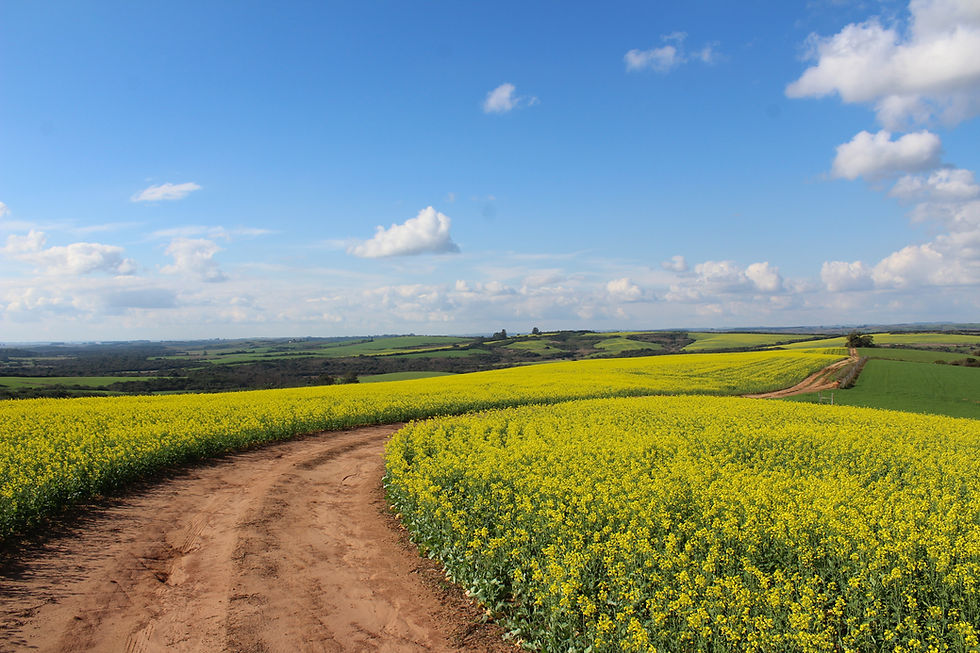
Cultivating Future Farmers: A Lifestyle for Next-Gen Agriculture
The world of agriculture is evolving rapidly, and with it comes the need for a new generation of farmers who are equipped to tackle the challenges of modern farming. As we face issues like climate change, food security, and sustainable practices, it is crucial to cultivate future farmers who are not only knowledgeable but also passionate about their craft. This blog post explores how we can foster a lifestyle that encourages the next generation to embrace agriculture, ensuring a sustainable future for our food systems.

Understanding the Importance of Agriculture
Agriculture is the backbone of our society. It provides food, raw materials, and employment to millions of people worldwide. However, the industry faces significant challenges, including:
Climate Change: Altering weather patterns affect crop yields and farming practices.
Urbanization: As cities expand, arable land decreases, making it harder to grow food.
Technological Advancements: New technologies can be both a boon and a challenge for traditional farming methods.
To address these issues, we must inspire young people to see agriculture not just as a job, but as a lifestyle that can be both rewarding and impactful.
The Role of Education in Agriculture
Education plays a pivotal role in shaping the future of agriculture. By integrating agricultural studies into school curriculums, we can spark interest in farming from an early age. Here are some effective strategies:
Hands-On Learning
Experiential learning opportunities, such as school gardens or farm visits, allow students to connect with the land and understand the processes involved in growing food. Programs like Future Farmers of America (FFA) provide students with leadership skills and practical experience in agriculture.
Incorporating Technology
Modern agriculture relies heavily on technology. Teaching students about precision farming, drone usage, and data analytics can prepare them for careers in agriculture that are both innovative and essential. Schools can partner with local farms to provide students with real-world experience in using these technologies.
Promoting Sustainable Practices
Educating future farmers about sustainable practices is crucial. This includes teaching them about organic farming, permaculture, and regenerative agriculture. By instilling these values early on, we can ensure that the next generation prioritizes sustainability in their farming practices.
Creating a Supportive Community
Building a community around agriculture can significantly impact young people's interest in farming. Here are some ways to create a supportive environment:
Local Farming Events
Organizing local farming events, such as farmers' markets or agricultural fairs, can help young people connect with local farmers and learn about different farming practices. These events can also serve as platforms for sharing knowledge and resources.
Mentorship Programs
Connecting young aspiring farmers with experienced mentors can provide invaluable guidance. Mentorship programs can help young farmers navigate the challenges of starting their own farms and offer insights into best practices.
Online Communities
In today's digital age, online platforms can serve as a space for young farmers to share experiences, ask questions, and collaborate on projects. Creating forums or social media groups focused on agriculture can foster a sense of belonging and support.
The Role of Family in Encouraging Agriculture
Families play a crucial role in shaping children's interests and career choices. Here are some ways families can encourage a passion for agriculture:
Family Farms
For families with a farming background, involving children in daily farm activities can instill a sense of responsibility and pride in their work. Teaching them about the importance of sustainable practices and the hard work that goes into farming can create a lasting appreciation for the industry.
Cooking Together
Cooking meals using fresh, locally sourced ingredients can help children understand the connection between farming and food. This hands-on experience can foster a love for agriculture and an appreciation for the effort that goes into producing food.
Encouraging Exploration
Families should encourage children to explore different aspects of agriculture, from gardening to livestock management. Providing resources, such as books or documentaries about farming, can help spark curiosity and interest.
Embracing Innovation in Agriculture
The future of farming lies in innovation. Encouraging young farmers to embrace new technologies and methods can lead to more efficient and sustainable practices. Here are some innovative trends to consider:
Vertical Farming
As urban areas grow, vertical farming offers a solution for producing food in limited spaces. Teaching young farmers about this method can inspire them to think creatively about how to grow food in urban environments.
Hydroponics and Aquaponics
These soil-less farming methods are gaining popularity for their efficiency and sustainability. Introducing young farmers to hydroponics and aquaponics can open up new avenues for food production.
Biotechnology
Understanding the role of biotechnology in agriculture can help future farmers make informed decisions about crop management and pest control. Educating them about genetically modified organisms (GMOs) and their benefits can lead to more responsible farming practices.
The Future of Agriculture: A Call to Action
As we look to the future, it is essential to cultivate a new generation of farmers who are equipped to face the challenges ahead. By focusing on education, community support, family involvement, and innovation, we can inspire young people to embrace agriculture as a fulfilling lifestyle.
Get Involved
Here are some actionable steps you can take to support future farmers:
Volunteer: Get involved with local agricultural programs or schools to help educate young people about farming.
Mentor: Offer your expertise to aspiring farmers in your community.
Advocate: Support policies that promote agricultural education and sustainable practices.
By taking these steps, we can ensure that the next generation of farmers is prepared to lead the way in sustainable agriculture. Together, we can cultivate a future where farming is not just a profession but a way of life that nurtures our planet and feeds our communities.


Comments